

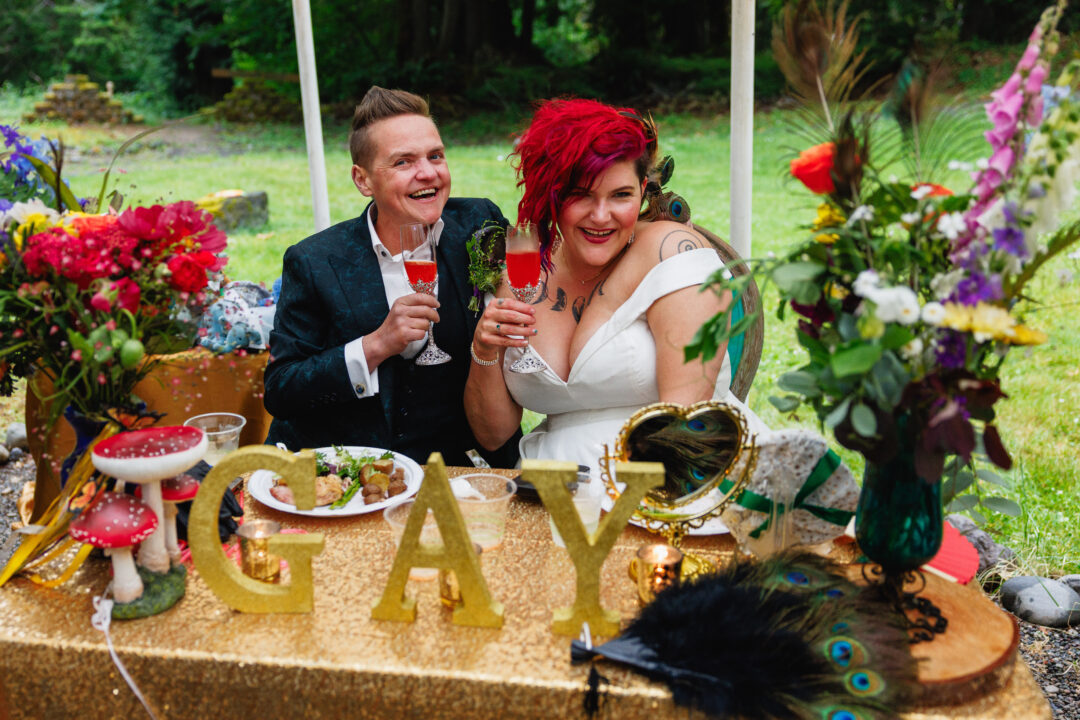
The traditional wedding industry can feel like it was built for extroverted neurotypicals who thrive on high-decibel chaos and shouts of “let’s just hop on a quick call!” For the rest of us (especially the autistic and ADHD pros who actually make the offbeat wedding magic happen) that standard operating procedure is a one-way ticket to Burnout City.
In honor of World Autism Month, we’re resetting the rulebook. We asked three alt wedding photographers who identify as autistic and/or ADHD to share how they’ve ditched neurotypical expectations to build businesses that respect how their brains work. We’re going to talk through the four phases of working with clients, from booking clients all the way through the post-wedding blues, and how these three neurospicy wedding vendors are making each one phase work best for them.
The TL;DR for the overwhelmed
- Ditch the phone: Use questionnaires and automation to keep communication written and structured.
- Control the noise: High-quality earplugs or noise-canceling headphones are non-negotiable gear.
- Hard boundaries: Limit wedding hours and schedule mandatory recovery days where you talk to exactly zero humans.
- Lean into the special interest: Use your hyper-focus and pattern recognition as a superpower for spotting tiny, authentic details.
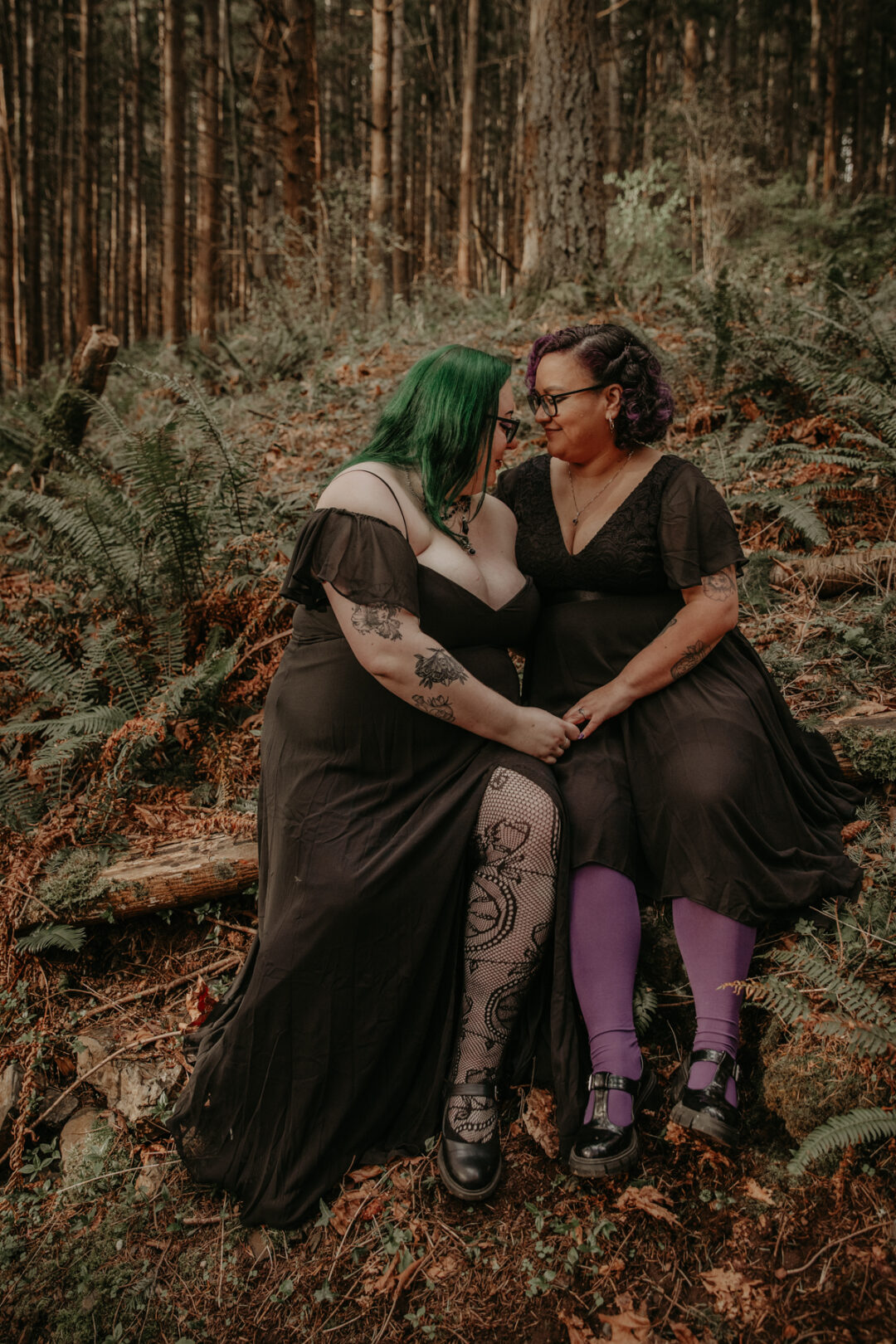
The inquiry & booking phase (aka: stop answering the phone)
Spoiler alert: you do not have to answer the phone to book clients. If you’ve got clear, written systems, they can be a boundary that protects your processing power.
Emily Blatter of Seattle’s Emily Paris Photography has automated her life to avoid the dreaded executive function fail. As she puts it: “I gather most of the important logistics for a wedding day in one big questionnaire. It lets the couple answer everything on their own time, and gives me all the info I need in a clear and structured way.”
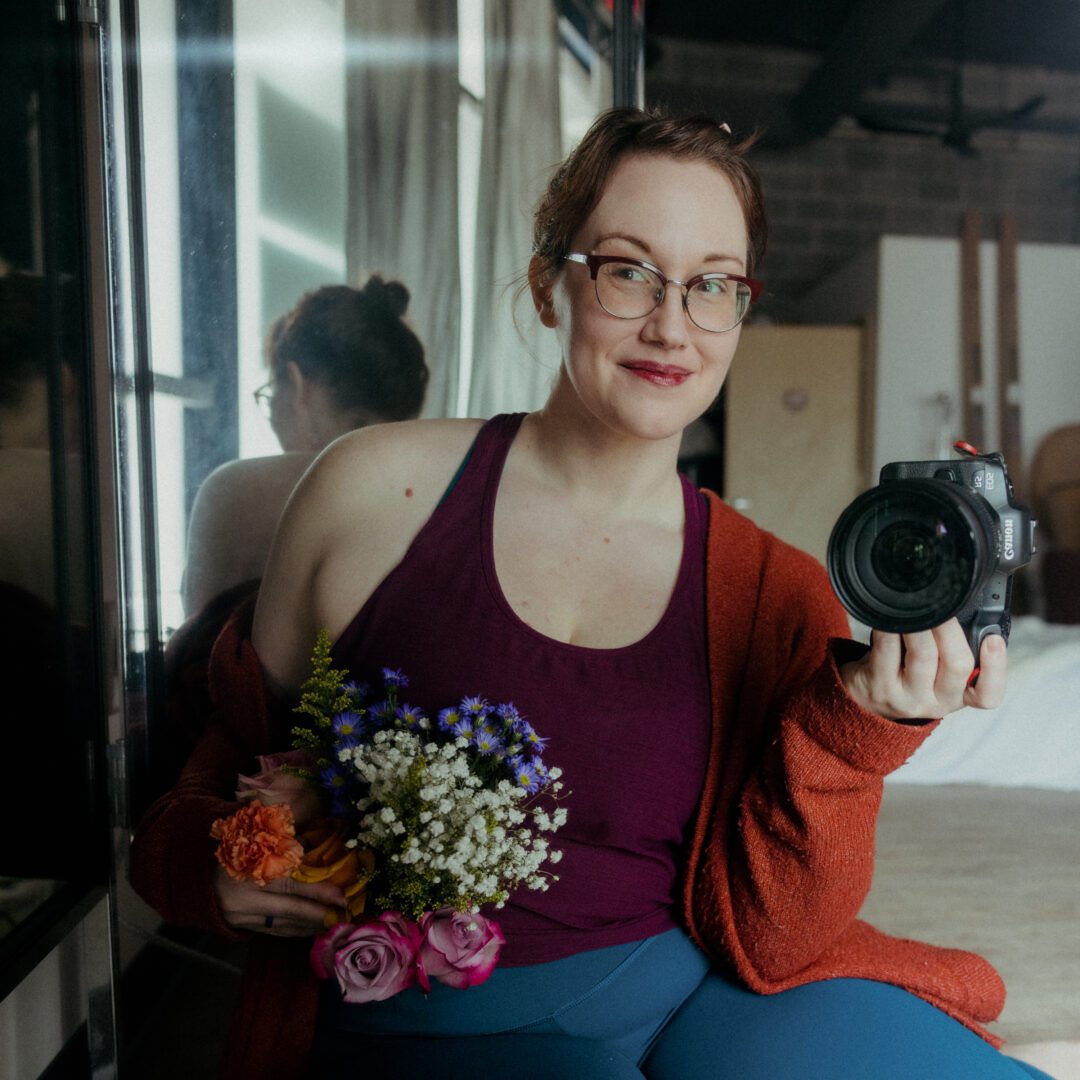
Sam Waldron of Dutcher Photography in Wisconsin uses a CRM as a digital shield. “A CRM system (in my case, Honeybook) is critical to staying organized and reducing stress.”
For Sam, it’s about setting the vibe early: “I make sure to set clear expectations with clients every step of the say so that they always know what next steps are, what is expected of them (and when), and what they can expect from me (and when).”
Katrina Gurr of A+K Photography in Washington state agrees that the pause of written communication is a lifesaver. “I do best with written communication when possible, since it gives me time to process and think through how I want to respond.” She notes that “Verbal communication can feel a little overwhelming at times, especially if I am expected to respond right away, so having space to reflect helps me communicate more clearly.”
The prep & planning phase (aka: the LISTS ARE LIFE era)
Preparation is the difference between a successful gig and a mid-wedding meltdown. For neurodivergent pros, having a solid understanding of what to expect helps in doing strong, thoughtful work.
For Katrina, it’s all about the checklists. She shares, “Lists, lists, more lists. Checklists help me make sure we are prepared early instead of running around at the last minute packing camera bags or trying to remember important details.”
Katrina also leans on automation to keep the gears turning: “Email templates help keep communication cohesive, and automated reminders for sessions and tasks help me stay organized and make sure nothing gets missed.”

Emily actually takes her lists offline to save her brain from digital fatigue: “I have a Google Doc template that I put all of my notes (timeline, shot list, arrival information) into for the day. I make sure to have it printed out so I don’t have to mess with my phone in the middle of the wedding, and I can also physically check items off the shot list as I go”. To manage the admin load, she advises: “Automate what you can! There’s a lot of admin work involved in running a business, and executive function can make that hard to manage”.
Sam emphasizes that extreme organization is actually a competitive advantage: “Holy organization skills, Batman! Seriously, organization and a deep and abiding love of spreadsheets makes running the administrative side of the business much more doable that it seems to be for a lot of creatively-focused business owners.” Using tools like Honeybook for “templated contracts, emails, client questionnaires, etc.” ensures that the client experience remains consistently excellent without the vendor needing to reinvent the wheel every time.
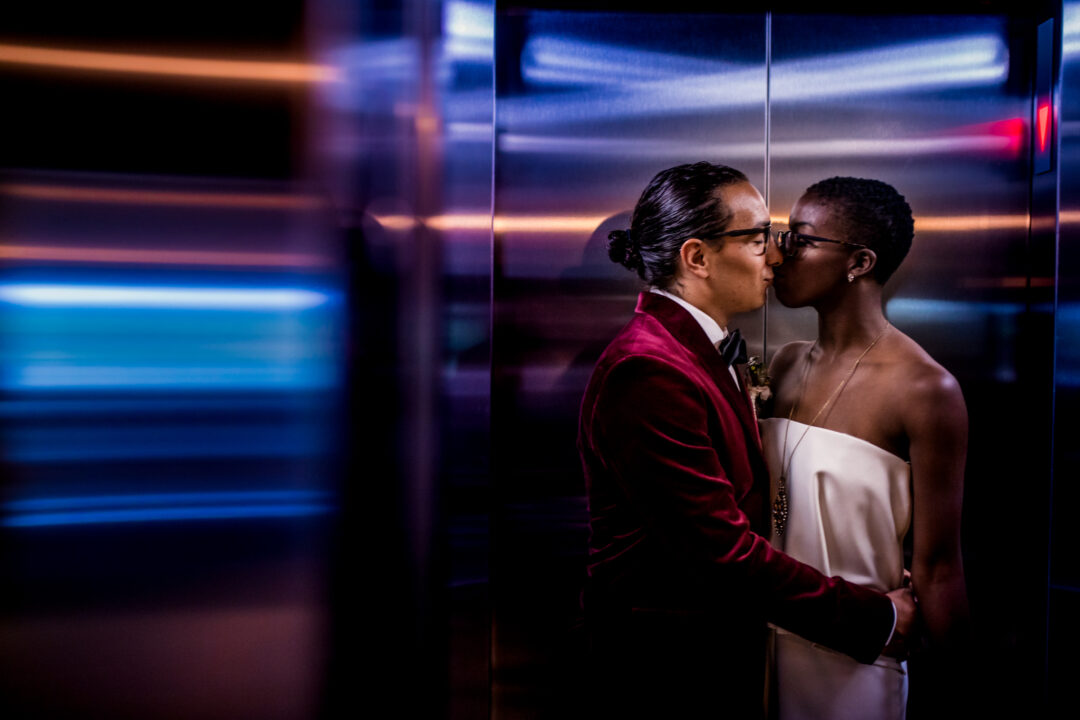
The day of (aka sensory survival)
Weddings are sensory nightmares. Between the flashing lights and the shouty acoustics of a reception hall, most of our beloved neurospicy nerds need a physical strategy to stay grounded!
Emily never leaves home without her earplugs. “I keep a set of good earplugs in a sturdy little case on my keys so I always have them with me, which really helps me maintain my hearing and keep me from getting overwhelmed by noise on the dance floor.” She also advocates for the sacred dinner break: “I make sure I can sit down in a quiet space away from the guests so I can regain some social energy for the rest of the reception.”
Sam takes it a step further by capping how long they will actually stand in the chaos. “As a photographer, I don’t offer any wedding packages over 7 hours, because it is too hard on my body.” To keep the day manageable, Sam also brings backup: “I have structured my packages such that any wedding packages that include more than 4 hours of photography include a second photographer… so that I have the ability to take short breaks for stretching or quiet if needed.”

After the wedding & beyond
The wedding hangover is real, but for autistic vendors, it can be a full-blown sensory shutdown.
Emily builds recovery into her calendar as a non-negotiable rule: “I generally try to avoid booking back-to-back weddings… After photographing a wedding, I usually need to spend a day resting and not really talking to ANYONE, so I make sure I have that time to myself the next day.”

Finally, Katrina wants you to stop trying to mask your way through your career. Her advice for building a sustainable business? “Be yourself, stand up for what you believe in, and do great work… You do not have to build your business by trying to sound like everyone else or fit into what you think you are supposed to be.”
Sam sums it up perfectly: “Lean into your strengths, and remember, you don’t have to be the photographer (or other wedding vendor) for everyone, you have to be the best vendor for YOUR soul mate clients.”
Your brain is your best business asset
Building an inclusive, accessible wedding industry starts with vendors who are brave enough to work in ways that honor their own needs. When you stop trying to fit into a neurotypical mold, you create space for your unique strengths (like hyper-focus, deep empathy, and radical organization) to shine. And by setting these boundaries, you aren’t just surviving the wedding season… you are proving that there is a seat at the table for EVERY kind of mind, and your business is more powerful because of it.
Did we miss something? Email us with your thoughts, so that we can make this post as useful as possible!