
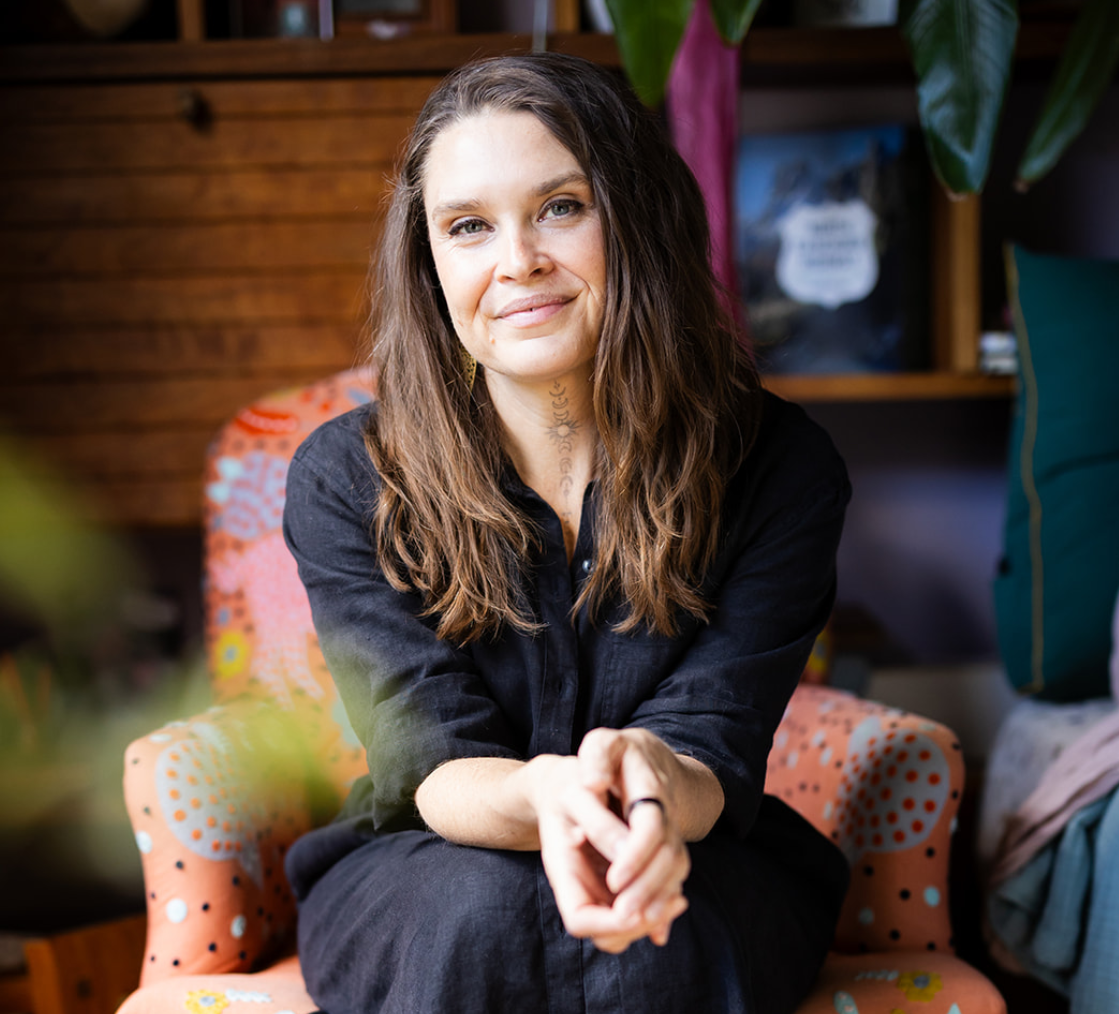
Hi, I’m Ariel Meadow Stallings. I’ve spent twenty years watching the wedding industry from a strange and useful vantage point: inside it, but never quite of it.
From one weird wedding to a hundred million readers
I launched Offbeat Bride in January 2007 to promote my book of the same name, about planning my own offbeat wedding back in 2004. The book did fine (three editions with Seal Press, the most recent in 2019) but the website did something else entirely: it became the internet’s home for nontraditional weddings, eventually reaching over 100 million readers. Along the way, I managed a staff of a dozen, rode the wave of blogging and digital publishing, and cranked out literally thousands of articles about wedding planning. I was quoted and featured by the New York Times fifteen times, and got covered by NPR, the Today Show, CNN, and The Guardian. It’s been a wild ride!
On the more personal side of things, I’m a dork who lives on Capitol Hill in Seattle with my teenage son. When I’m not working, I’m usually dancing (if it’s raining) paddleboarding (if it’s sunny) or talking to my houseplants (always). If you want more behind the scenes, you can follow my newsletter Arielist or find me on insta: @arielmstallings.
Twenty years of listening to wedding vendors
As part of my work with Offbeat Wed, I’ve run a curated vendor directory that has supported literally thousands of inclusive wedding professionals. I’ve read their websites, edited their listings, heard their booking anxieties, and watched their businesses weather recessions, a pandemic, and now an AI-scrambled search landscape.
I also spent four years co-producing dozens of sold-out Lovesick Expos in cities across the country, and presenting to wedding professionals at wedding industry conferences like WeddingMBA (and even finance conferences!). Vendors have been telling me what keeps them up at night since before Instagram existed. I’ve watched hundreds of wedding vendors go out of business, and dozens of wedding publications go under.
During the 20 years I’ve been in the wedding industry, I’ve also worked in tech and media: freelancing for Amazon back when they mostly just sold book, managing campaigns at Microsoft, and working at the Seattle Times. Most recently, I served as the Director of Publisher Relations at Medium. I’ve written about AI for The Guardian. This is why I can explain how discovery algorithms actually work without hand-waving, and why Offbeat Wed’s vendor listings are built to be read by both humans and AI systems.
What I do now
In 2026, Offbeat Wed pivoted from publishing mostly for couples to working directly with the professionals who serve them. As part of my new job working for my same old company, I now consult 1:1 with vendors on brand clarity, inclusive marketing, and staying findable as search changes.
What do Offbeat Wed’s 1:1 wedding vendor consulting calls include?
Each vendor can choose what they want to discuss in their 1:1 call with me, but many choose to do my signature Offbeat Wed Brand Audit:
- Before we ever get on a call, I review your website, listings, and social presence, and do a full audit of your messaging and how you present your business. I want to really see you, and understand what you’re doing with your business.
- When we get on a call, I hand over my written overview of what your brand is actually communicating: where the positioning is strong, where the language sounds like every competitor in your category, and where outdated signals may be costing you bookings.
- I bring my editorial eye, my strategic vision, and my genuine belief the value of the work of mission-aligned vendors do. Y’all really care about your clients and inclusivity, and I love to see it! Part of the fun of these calls for me is spotting the hidden opportunities and the small biz blind spots that you might not be able to see in your day to day work.
- Every 1:1 consulting session ends with a short prioritized list of recommendations, often with paste-ready copy, so you know exactly what to change and why.
What are the results?
As you’d expect, the specifics looks different depending on what each vendor needs, but here are a few recent examples:
- I’ve helped a vendor in Boston translate national editorial credentials into language couples actually respond to
- Rebuilt an adventure elopement photographer’s listing so AI tools could finally find them in Alaska
- Designed a 90-day booking campaign for a vendor who needed revenue this season instead of next year
- Moved a rural farm venue’s queer-welcome statement from the bottom of the page to the top, where the couples searching for it could see it
While the specific results depend on the client, I know that every single 1:1 consulting call ends with you feeling deeply seen, having clear actionable next steps, and a confident burst of energy to get shit done!
These days, couples find vendors through AI chats, Reddit threads, and referral networks as much as through search, and most vendors are still marketing to an internet that no longer exists. After two decades of helping couples feel seen, I now do the same thing for the vendors themselves: Helping them stay visible and legible during a time of radical shift for web discoverability.