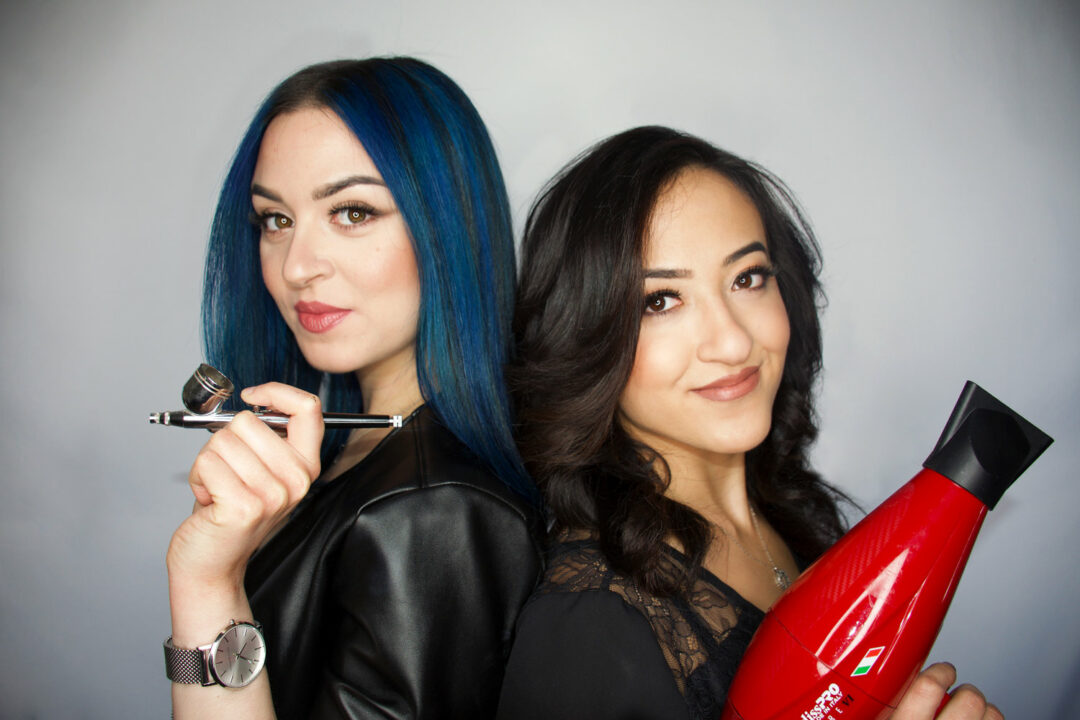


Couples have started asking wedding photographers whether they use AI, and most photographers I talk to are answering the question one nervous DM at a time. I’d like to help you answer it once publicly… and now, BEFORE next year’s inquiries start rolling in. (Oh and btw: having an AI disclosure policy isn’t just for photographers! More about that in a minute.)
The fear of AI-generated wedding imagery is already out there, and it’s getting loud. Couples are posting videos accusing their wedding photographers of secretly using AI, and the reaction from shooters has split into two loud camps. Earlier this month the UK wedding publication Love My Dress published a long, heartfelt post about a bridal designer whose entire campaign, every single image and video, had been generated by AI… and Love My Dress then recommitted to never publishing AI-generated imagery.
Let’s talk about how many wedding photographers using AI… and how they’re using it
VSCO surveyed 401 photographers this spring and found that among working photographers, AI use is about 88%. The same report found that 34% are cautious about how clients perceive AI use, which sounds about right to me. Almost everyone is using culling software and AI denoise, and a third of photographers are sweating about what couples will think.
Now, there’s a big difference between photographers using AI for generating versus assisting. As fstoppers says:
Generative AI alters expressions, or fabricates entire wedding photos from a couple’s selfie. Assistive AI is a tool learning how you already edit and applying it faster.
So there’s a real difference between “I used AI to generate images that didn’t exist” and “I used assistive AI tools to help me edit my very real photos of very real people.” Most of us get the difference pretty quickly.
Here’s my take, though: if photographers stay silent about how they’re using AI, couples may fill the gap with the worst version they’ve seen online. They picture swapped faces and invented blue skies, while you’re over here letting software flag blinks so you can get your Sundays back.
What couples really want to know is whether the moments in your galleries truly happened. You can answer that with a wedding photographer AI policy.
Meet one photographer who answered before anyone asked
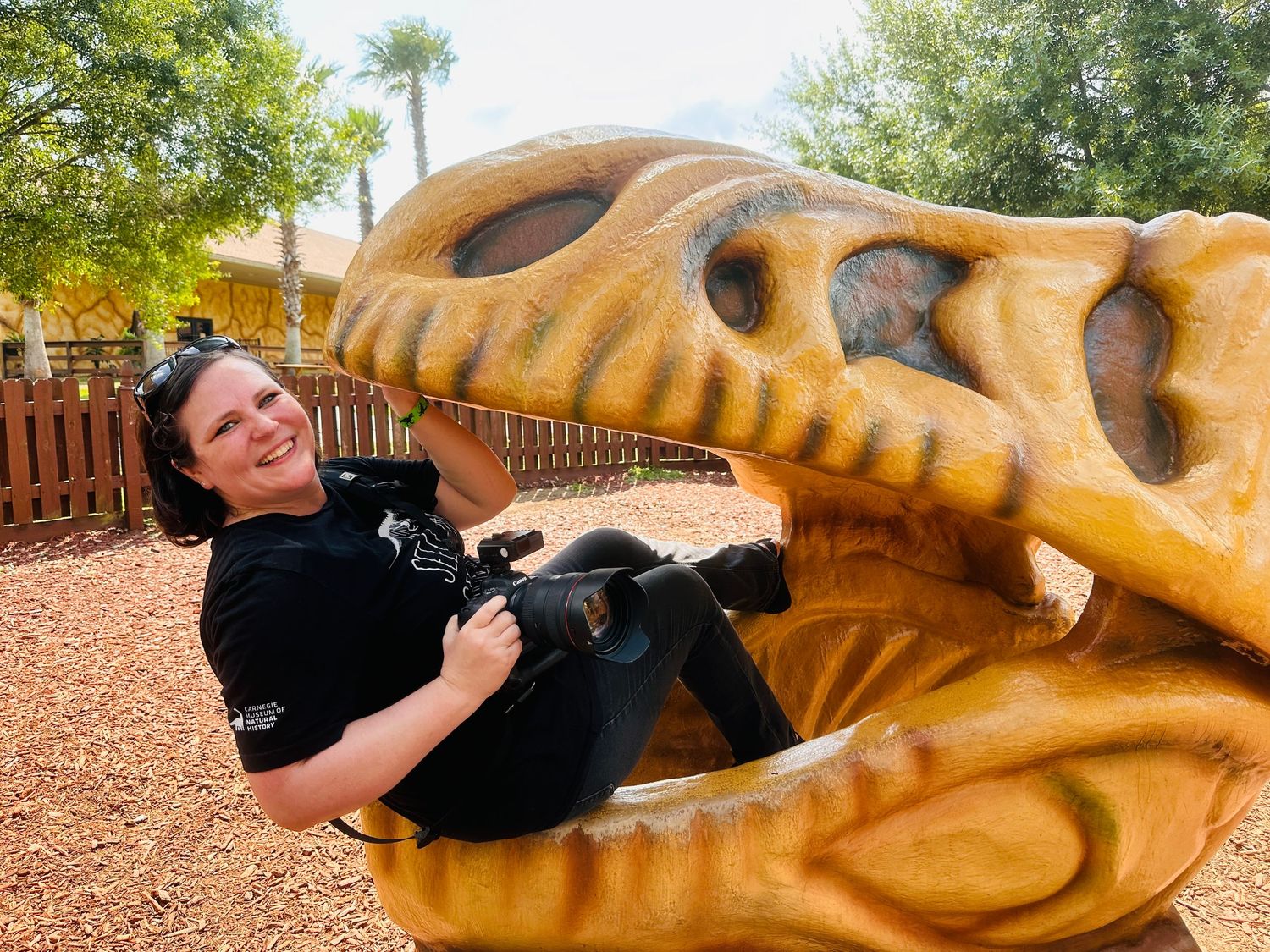
Daniella of DellaMorte Photography (an Offbeat Wed vendor member in Central Florida) published her AI policy before couples started asking her directly.
Daniella’s wedding photographer AI policy walks through every tool that touches a client’s files, from Aftershoot culling to Lightroom’s AI Denoise to Evoto for add-on retouching.
She names which processing happens on her own machine and which sends part of an image to a company’s servers. Daniella even names the vendors’ own controversies, like Evoto‘s short-lived headshot generator (the company admitted it had missed the mark and permanently removed the tool).
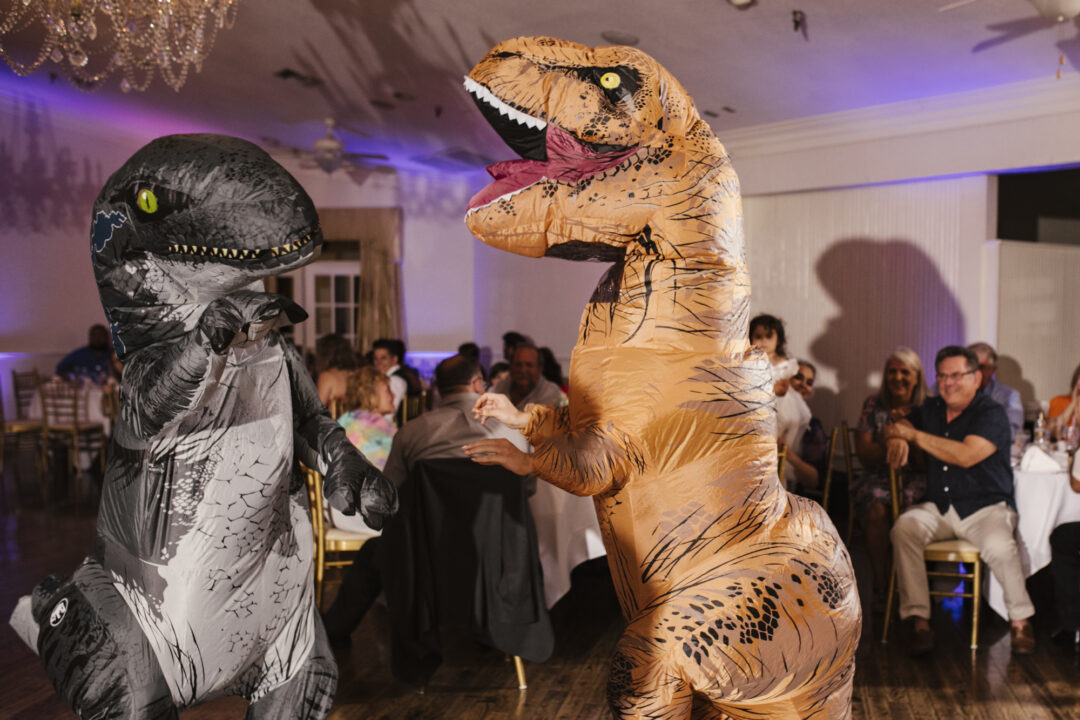
My favorite part of Daniella’s AI policy is her one exception for generative AI use: fantasy composites, like a couple sprinting away from a T-rex, when both parties know it’s a joke. (She also admits she used AI to proofread her policy post! We love a transparent queen.)
How to make a wedding photographer AI policy: rules on top, receipts underneath
If you’re concerned about potential blowback and inspired by Daniella’s post, maybe it’s time for you to draft your own wedding photographer AI policy.
Your public AI policy needs two layers:
- The first is a short rules block a couple can read in under a minute.
- The second is the optional explainer, where you show your work tool by tool the way Daniella did.
Want more guidance? Here’s a template to get you started.
A quick wedding photographer AI policy template you can steal
Just to get you started, you can copy this text, fill in the brackets, and cut anything that isn’t true for your business.
How [Business Name] uses AI
Last updated [month, year]The short version: Every photo in your gallery shows something that happened on your day. I use AI tools to speed up technical work. I do not use AI to create people, faces, or moments that didn’t happen.
What AI helps with: [sorting images and flagging blinks] and [color and noise correction]. I personally choose and approve every image you receive.
What AI never does here: add or remove people, change faces or bodies beyond retouching you request, invent moments, or place you somewhere you weren’t.
Where your images go: [Tool] processes images on my own computer. [Tool] sends parts of an image to [company]’s servers. [Only if you’ve verified it in each company’s terms: none of these companies train their AI on my clients’ photos.]
Creative exceptions: Fantasy composites only when you ask for one, and they’re clearly labeled.
AI elsewhere in my business: [e.g., I use AI to proofread emails.] Every message still comes from me.
Questions? Ask me at [contact]. I update this page whenever my tools change.
Florists, planners, and venues, this relates to your business too!
If your portfolio includes photos, if you’ve ever swapped a sky on a venue shot, or if AI drafts your inquiry replies, you can expect that couples will eventually ask you the same question. Feel free to use the template above as a baseline, and swap in your own tools.
It’s worth noting that I have a policy, too! Offbeat Empire’s AI policy states that we don’t present AI-generated imagery as photographs of real weddings or real people. If you’re looking for more examples of great AI policies, I love how writer Baratunde Thurston‘s Life With Machines approached their disclosure post.
Post your AI policy now, well before proposal season
Engagement season runs December through February, so I advise publishing your wedding photographer AI policy this fall. For anyone who thinks this is just a vibe: on August 2, 2026, the EU AI Act’s transparency obligations became generally applicable and enforceable across the EU. Most of us in the US aren’t covered by it, but disclosure norms tend to follow big markets and something similar may come to the US, Canada, or Australia soon.
If you’re an Offbeat Wed vendor member, I suggest not just publishing a policy on your website, but also including it in the FAQ section of your directory listing, since AI search tools quote clear, public statements when couples ask about you (more on that here).
A final disclaimer: I’m a publisher and small business consultant, not a lawyer. You may want to talk to someone with legal expertise about this issue. The Legal Paige, for example, sells an AI disclaimer clause with separate versions for wedding and commercial contracts.
If you’re an Offbeat Wed member, bring your draft policy to your 1:1 consulting session, and we can talk through it together. (And if you’re not a member, let’s get you in here!)
Sources
- VSCO, Photographers and AI: Industry Research Report 2026 and What 401 Photographers Actually Think About AI
- Fstoppers, The AI Debate Splitting Wedding Photographers
- Love My Dress, Soul: The Human Cost of AI-Generated Wedding Imagery
- DellaMorte Photography, Does DellaMorte Photography use AI?
- Evoto, official statement
- Bloomberg, Adobe’s AI Firefly Used AI-Generated Images From Rivals for Training
- Aftershoot, AI that works for photographers
- Goodwin, EU AI Act transparency obligations are now in force
- The Legal Paige, AI Disclaimer Clause for Photographers and Videographers